

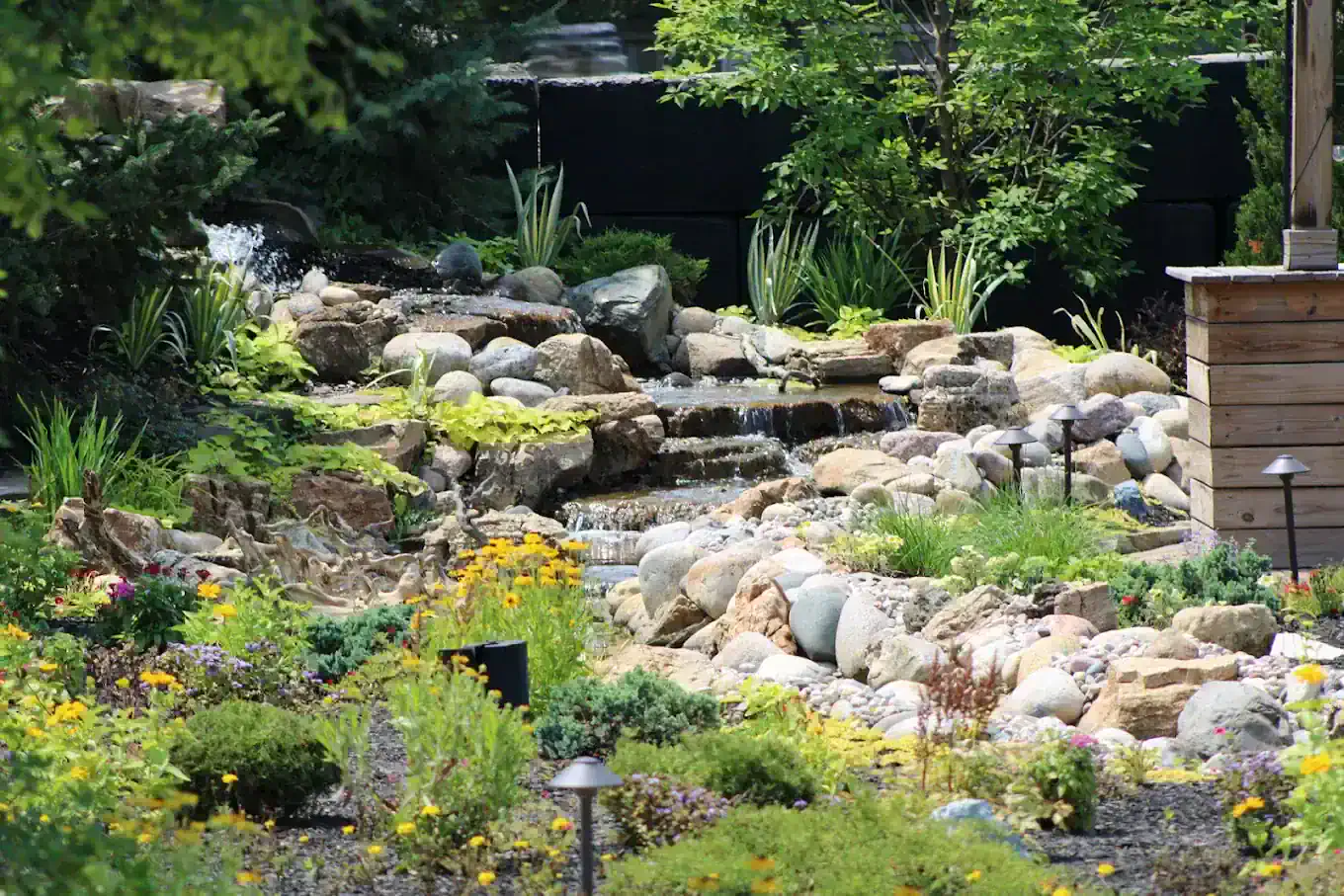
When it comes to making your flower beds look nice people often choose between mulch and rock. This is because both of these options can make your yard look cleaner Your house will look really nice from the street when you use mulch or rock.
Mulch and rock are both good at stopping weeds from growing in your garden.
To figure out which one is better for you you need to think about the plants you have, the soil you have, how much money you want to spend on mulch or rock and how much work you want to do to take care of your flower beds, with mulch or rock.
Flower beds need a lot of care. Flower beds need something to help the roots of the plants grow. Flower beds need to be able to drain water so the plants do not get much water. People have to take care of flower beds over time. This guide compares wood mulch benefits with stone beds so you can choose what fits your Northwest Indiana yard.
Mulch and Rock Do Not Work the Same Way
Mulch and rock both cover soil.
That is where the match ends.
Wood mulch breaks down over time. That breakdown adds organic matter to the soil. Plants benefit from that natural process.
River rock lasts much longer. It does not break down. It gives beds a clean, finished look for years.
One helps feed the bed. One helps lower yearly refresh work.
Mulch vs Rock Landscaping Comparison Table
| Category | Wood Mulch | Decorative River Rock |
|---|---|---|
| Soil health | Breaks down and feeds soil | Does not improve soil |
| Root comfort | Keeps roots cooler | Can hold heat near plants |
| Moisture | Helps soil hold water | Lets water drain through fast |
| Weed control | Works with proper depth | Works best with weed fabric |
| Upkeep | Needs fresh mulch over time | Lasts for many years |
| First cost | Usually lower | Usually higher |
| Best areas | Flower beds, shrubs, trees | Borders, walkways, dry beds |
| Look | Soft and natural | Clean and long-lasting |
Wood Mulch Benefits for Flower Beds
Wood mulch works well in living beds.
It protects soil from direct sun. It helps hold water after rain. It keeps roots cooler during hot summer days.
That matters in Northwest Indiana. July heat can dry out shallow roots fast. Mulch gives plants a little relief.
Mulch improves the soil too.
As it breaks down, it adds organic matter. That helps soil stay looser. Roots can spread better in healthier soil.
Mulch is a thing to put around annual flowers, perennials, shrubs and young trees.
Mulch makes everything look nice and warm. It gives the beds a natural look when it is fresh.
Dark mulch makes green leaves and bright flowers stand out. Natural hardwood mulch gives a softer look near traditional homes.
The tradeoff is upkeep.
Mulch fades. Rain can move it. Wind can push it out of the bed. Most flower beds need a fresh layer every year or two.
Decorative Stone Beds Last Longer
Decorative stone beds fit homeowners who want less yearly work.
River rock can last for many years. It does not fade like mulch. It does not break down into the soil.
That long life makes stone useful in certain places.
Rock works well along walkways. It fits around patios. It can look sharp near pool areas, retaining walls, and hardscape borders.
It can help in drainage spots too. Many homeowners use river rock near downspouts or dry creek-style beds.
The drawback is heat.
Stone can get hot in full sun. That heat can stress tender plants. It can dry the soil faster near shallow roots.
Rock does not feed the soil either. It covers the bed, but it does not improve what sits below.
For plant-heavy beds, mulch usually supports growth better.
Weed Barrier Fabric: Where It Helps
Weed barrier fabric works best under decorative stone.
It helps keep rock from sinking into soil. It blocks many weeds from coming up through the bed. It can make stone beds easier to manage.
Fabric does not do a job of keeping weeds away.
Things like leaves and dust can fall on the rocks and soil can get on top of them too.
Weed seeds can actually start growing in this dirt that’s, on top of the fabric and the rocks.
This is because the fabric is not a weed shield and these seeds can grow in the layer of dirt that forms on top. Wind and birds bring seeds into the bed.
Fabric can make planting changes harder too. New plants need holes cut into the fabric. Roots can grow into it over time.
For mulch beds, fabric often creates problems.
Wood mulch needs contact with soil. That contact lets it break down and feed the bed. Fabric blocks part of that process.
A better plan for mulch beds is clean soil prep, good edging, and the right mulch depth.
Weed Control With Mulch
Mulch helps control weeds by blocking sunlight.
A 2 to 3 inch layer works well in many beds. Too little mulch leaves gaps. Too much mulch can hurt plant roots and hold water near stems.
Keep mulch pulled back from tree trunks and plant crowns. A small open ring helps prevent rot and pest problems.
Mulch beds still need light cleanup. Weed seeds can land on top. A quick pull after rain keeps the bed tidy.
Good edging helps too. It keeps grass from creeping into the bed.
Weed Control With Rock
Rock controls weeds best with fabric beneath it.
The fabric blocks growth from below. The stone adds weight and keeps the bed covered.
This setup works well in low-plant beds. It also works near hardscapes and borders.
Weeds can still grow on top. Soil and leaf bits collect between rocks. Seeds find those spots.
Rock beds need occasional cleanup with a blower, rake, or hand pull.
Still, the yearly workload is often lower than mulch.
Moisture and Plant Health
Mulch is the better choice for moisture.
It slows evaporation. It shades the soil. It helps water stay near plant roots longer.
That helps during hot, dry stretches.
Rock lets water pass through, but the stone does not hold moisture. In sunny beds, rock can heat up and dry the soil faster.
That does not mean rock is bad for every plant.
Some plants like drier soil. Ornamental grasses, many evergreens, and hardy shrubs can work well with stone. The plant list matters.
Dean’s Pools & Landscaping can help match the bed material to the plants. That choice affects how the bed looks in year one and year five.
Cost: Mulch Costs Less Up Front
Mulch usually costs less at installation.
That helps with larger beds. It also helps new landscape projects with many plants.
The lower first cost comes with repeat upkeep. Mulch needs refreshing. Some beds need new mulch each spring.
Rock costs more at the start. Material, fabric, edging, and labor can raise the price.
The longer life can balance that over time. Rock does not need the same yearly replacement.
The best choice depends on the bed.
A flower-heavy bed often does better with mulch. A clean border bed or drainage area may do better with rock.
Where Mulch Works Best
Mulch works best where plants need soil support.
Use mulch around:
- Perennials
- Annual flowers
- Shrubs
- Young trees
- Shade beds
- Plant-heavy foundation beds
Mulch gives these areas a natural look. It helps soil stay cooler and more workable.
It is also easy to change. If you want new flowers next season, mulch makes that simple. You can pull it back, plant, then spread it again.
That flexibility helps homeowners who like seasonal color.
Where River Rock Works Best
River rock works best in beds meant to stay put.
Use rock around:
- Walkway edges
- Pool areas
- Patio borders
- Downspout areas
- Dry creek beds
- Low-water plantings
- Modern landscape beds
Rock gives those areas a clean look with less yearly work.
It pairs well with pavers, retaining walls, outdoor kitchens, and fire features. The texture helps tie hardscape areas into the yard.
Dean’s Pools & Landscaping designs both landscapes and hardscapes. That helps the bed material match the rest of the outdoor space.
Can You Use Mulch and Rock Together?
Yes. Many yards look better with both.
Mulch can support the main flower beds. River rock can handle drainage zones, patio borders, and pool edges.
This mix gives plants what they need. It also cuts maintenance in the right areas.
The key is clean separation.
Use edging between mulch and rock. Keep the lines simple. Make each area feel planned.
A yard can look messy when rock and mulch spill into each other. Good installation prevents that.
Which One Looks Better?
Style matters.
Mulch gives a warm, soft look. It fits homes with full planting beds, shade gardens, and seasonal flowers.
Rock gives a crisp, finished look. It fits modern beds, pool areas, and hardscape-heavy spaces.
Color changes the feel too.
Dark mulch makes flowers pop. Tan river rock brightens a shaded side yard. Mixed stone adds texture near pavers and walls.
The best look fits the home, not just the trend.
Dean’s Pools & Landscaping builds custom outdoor spaces across Northwest Indiana. The team looks at the house, yard, plants, and outdoor living plans before recommending materials.
Best Choice for Northwest Indiana Flower Beds
Mulch is the better choice for most flower beds.
It helps the soil. It holds moisture. It protects roots. It makes planting changes easier.
Rock is better for long-term, low-care areas.
It lasts for years. It stays neat with less refresh work. It works well near hardscapes and drainage features.
For many homes, the best design uses both.
Use mulch where plants need rich soil. Use decorative stone where long life and clean lines matter more.
Plan Your Landscape Beds With Dean’s Pools & Landscaping
Mulch vs rock landscaping comes down to plant health, upkeep, and design.
Wood mulch feeds soil and supports flowers. Decorative river rock lasts longer and needs less yearly work. Weed barrier fabric can help under stone, but it is not the best fit for every mulch bed.
Deans Pools & Landscaping helps people who own homes make gardens that fit their yard. The people who work at Deans Pools & Landscaping are from here and they do lots of things like put in plants and stones and build pools and patios and outdoor spaces where you can hang out.
You can look at the Landscape Installation page or call us now to set up a time when someone from Deans Pools & Landscaping can come and talk to you about making a design, for free.
FAQs About Mulch vs Rock Landscaping
1. Is mulch or rock better for flower beds?
Mulch is good for flower beds. It keeps the soil healthy. Mulch also helps to keep moisture in the soil.. It protects the roots of the plants.
Rock is better, in areas where there are not plants. Rock also works well where you need coverage for a time.
2. How often should mulch be replaced?
Most mulch needs a refresh every 1 to 2 years. The sun, rain and wind are what break it down over a period of time. Adding a layer keeps garden beds looking neat and helps plants stay healthy with mulch. Mulch also keeps the soil cool. A new layer of mulch every now and then is an idea.
It keeps the weeds down. Mulch helps plants grow.
3. Do decorative stone beds need maintenance?
Yes, but less often than mulch. Leaves and dirt can build up between rocks. You may need to rinse, rake, or remove weeds from time to time to keep the bed neat.
4. Should I use weed barrier fabric under mulch or rock?
Fabric works best under rock. It helps keep the stone in place and blocks weeds from below. For mulch, fabric can limit soil improvement, so most beds do better without it.
5. Does rock make flower beds hotter?
Yes. Rock can hold heat in sunny areas. That heat can stress some plants and dry the soil faster. Mulch stays cooler and helps protect plant roots during hot weather.
6. Can I mix mulch and rock in my yard?
Yes, and many homeowners do. Use mulch in plant-heavy beds. Use rock in borders, drainage areas, and near patios. Clean edging keeps the two materials separate and organized.
