

As summer’s vibrant colors fade, the crisp autumn air signals a new phase for your outdoor spaces. Getting your landscape ready for fall is a crucial annual task, ensuring your plants, lawn, and hardscaping stay healthy and beautiful through winter and into next spring. Skip these steps, and you’re looking at potential damage, weaker plants, and honestly, a pretty sad garden come spring. We’ve put together this detailed guide to walk you through what you need to do, especially for folks in Northwest Indiana, to protect your yard and keep it looking great.
Why Fall Prep Is Absolutely Essential
Taking the time to prepare your landscape for fall offers many benefits, not just aesthetic ones. Proper autumn care directly impacts the long-term health of your lawn, shrubs, and trees. Most people, in my experience, don’t realize just how important these seasonal transitions are. Plus, getting things done now can really cut down on the work you’ll have in the spring.
What’s more, getting your landscape ready for fall helps keep your property safe from winter’s harsh conditions. Think about it: freezing temperatures, heavy snow, and strong winds can really mess up plants and structures that aren’t prepared. Taking care of your landscaping now can save you a ton of time, effort, and money on repairs later. It’s not just about tidying up, it’s about making your outdoor space strong.
Key Lawn Care Steps for Fall Landscape Prep
A healthy lawn is the foundation of any beautiful landscape, and fall is a prime time for turf care. Focusing on your lawn is paramount to prepare your landscape for fall. This includes several key steps that will strengthen grass roots and deter winter diseases. Taking care of your lawn in autumn means it’ll bounce back quicker and healthier next spring.
Aeration and Overseeding for a Fuller Lawn
Aeration involves creating small holes in your lawn to allow air, water, and nutrients to penetrate grass roots more effectively. This process alleviates soil compaction, which often occurs over the summer months from foot traffic and lawn activities. After you aerate, overseeding means you’re spreading new grass seeds over your existing lawn. This makes the lawn thicker and fills in any bare spots. Together, these steps create a denser, tougher lawn that can handle winter stress much better. For homeowners in places like Valparaiso or Crown Point, where the soil can get really packed down, these steps are incredibly helpful.
Right Ways to Fertilize and Water
Applying a slow-release, fall-specific fertilizer is another vital step when you prepare your landscape for fall. These fertilizers usually have more potassium, which really helps strengthen grass roots and improve how well they handle winter. You’ll want to skip high-nitrogen fertilizers right now, since they can make new growth pop up that’s super sensitive to frost. Also, keep watering your lawn until the ground actually freezes. Even grass that looks dormant still needs moisture so it doesn’t dry out. Consistent watering, especially if it’s been dry, is critical for getting new seeds established and keeping your existing turf hydrated.
Keeping Your Plants and Garden Beds Safe
Beyond the lawn, your garden beds and ornamental plants also need some love to get ready for fall. Every plant is a little different, and what it needs as temperatures drop can vary. Getting these elements sorted out means they’ll stay healthy and look great through winter and into next spring. Here, we’re really focusing on keeping your flowers, shrubs, and trees safe.
Getting Rid of Fall Leaves and Other Debris
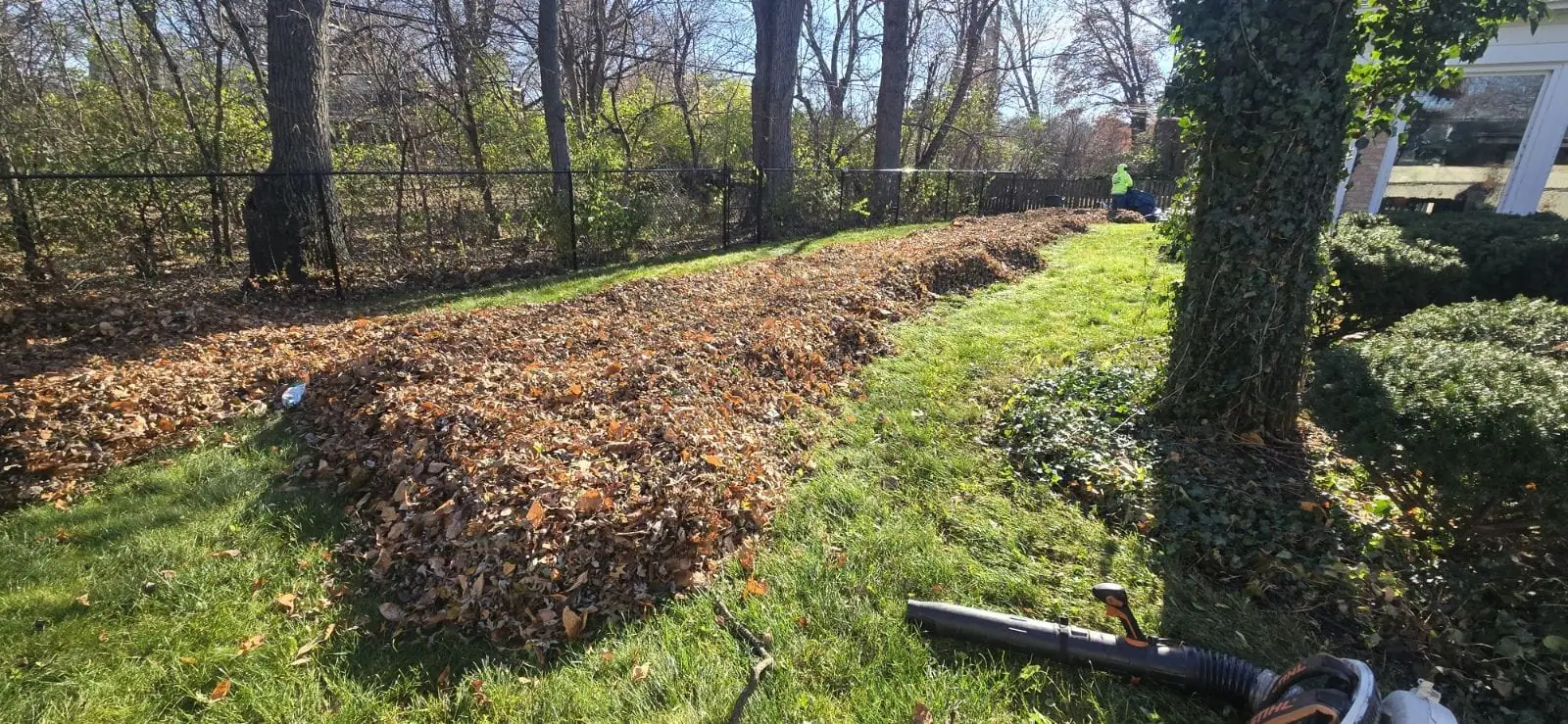
Sure, fallen leaves look pretty for a bit, but they can actually suffocate your lawn and plants, trapping moisture and inviting fungal diseases. Honestly, you’ve got to rake or mulch those leaves regularly when you’re getting your landscape ready for fall. Mulching them with a lawnmower is great because it puts valuable nutrients right back into the soil, making it richer and healthier. But if you’ve got thick layers of whole leaves, you should absolutely clear them out of garden beds and off your turf. Plus, getting rid of all that debris means pests won’t have cozy spots to hide out all winter, only to pop up in spring and munch on your plants.
Cutting Back and Prepping Perennials for Winter
Fall’s a good time for some selective pruning on your trees and shrubs. Go ahead and snip off any dead, diseased, or damaged branches so they don’t become a problem in winter storms. Just don’t go crazy with heavy pruning on healthy woody plants in late fall; that can actually spur new growth that won’t have time to toughen up before the first frost hits. Most perennials do well with a trim after they’ve naturally died back, usually once you’ve had a few hard frosts. This neatens up the garden and can cut down on certain diseases. And don’t forget a fresh layer of mulch around the base of sensitive perennials; it’s like a warm blanket for their roots when temperatures drop.
Keeping Tender Plants Safe from Frost
A lot of delicate plants, especially those that aren’t used to chilly climates like Northwest Indiana, need extra protection when you’re getting your landscape ready for fall. Covering tender plants with burlap, frost cloths, or even old sheets can really save them from an unexpected early frost. For potted plants, I’d say move them indoors or to a sheltered spot like a garage or shed before the freezing temperatures really settle in. You can also spray broadleaf evergreens with an anti-desiccant. It helps them hold onto moisture and prevents that nasty winter burn.
Hardscaping Care as the Weather Gets Cooler
Your hardscaping, stuff like patios, walkways, and retaining walls, is built tough, but it’s not immune to winter’s bite. Honestly, making hardscaping inspection and maintenance part of your fall landscape prep is just smart. Fixing small issues now can save you from big, expensive repairs later, especially with all the freeze-thaw cycles we get in places like Schererville and Munster.
Sealing Up Pavers and Concrete
Water getting into things is hardscaping’s biggest enemy once winter hits. When water seeps into cracks and then freezes, it expands, causing even more damage like new cracks, heaving, and spalling. Putting a good quality sealant on your pavers, concrete patios, and walkways really helps repel water, which drastically cuts down on this risk. Just make sure those surfaces are super clean and dry before you put any sealant on. This ahead-of-time step protects your investment, makes things last longer, and improves how your hardscaped areas look.
Checking and Fixing Retaining Walls and Edges
Retaining walls and garden edging aren’t just for looks; they really define your landscape and stop erosion. As you get your yard ready for fall, take a good look at these structures for any signs of movement, cracks, or wear and tear. Got some loose stones in a retaining wall, or sections of edging that have popped up? Get ’em fixed before winter hits. Freezing and thawing can turn small issues into much bigger headaches. Quick fixes here mean these features stay strong and your landscape keeps looking sharp.
Draining and Putting Away Water Features
Water features like fountains, bird baths, and small ponds really need your attention before temperatures consistently dip below freezing. You’ll want to drain all water features completely; this stops ice from forming and cracking components or plumbing. Pull out pumps and filters, give ’em a good clean, then tuck them away indoors in a dry spot where they won’t freeze. If you’ve got bigger ponds, chat with a professional about winterizing options. They might suggest de-icers or aerators to keep oxygen levels up for any aquatic life. Check out these OSHA pond safety guidelines. These steps are crucial for preparing your landscape for fall and protecting sensitive equipment from winter damage.
Outdoor Living Spaces: Getting Ready for Winter
Your outdoor kitchen, fire pit, and other hangout spots are basically extensions of your home during the warmer months, right? Well, as you prepare your landscape for fall, these areas need to get ready for their winter nap too. Proper storage and protection ensure they’ll be good to go once spring rolls around again.
Cleaning Up and Storing Your Outdoor Furniture
Before winter really sets in, give all your outdoor furniture a thorough clean. Take off cushions, wash them, and store them indoors somewhere dry to keep mold and mildew away. For the frames, wash off any dirt and grime; if they’re metal, you might want to put on a protective wax or rust inhibitor. Wood furniture could probably use a fresh coat of sealant. If you’re tight on storage space, invest in some good, weather-resistant covers to shield your furniture from snow and ice. Putting things away correctly can greatly extend the lifespan of your outdoor pieces.
Protecting Outdoor Kitchens and Fire Pits
Outdoor kitchens, with all their appliances and countertops, really need careful winterizing. Disconnect gas lines, drain water from sinks and fridges, and clean all the surfaces. Cover grills, refrigerators, and other appliances with custom-fit, weather-proof covers. For built-in fire pits, make sure they’re clean and covered; this stops water from gathering and freezing inside them. These protective measures prevent rust, corrosion, and damage from extreme temperatures, helping you prepare your landscape for fall and ensuring your outdoor kitchen is ready for entertaining next spring.
Need a Hand with Fall Landscaping in Northwest Indiana?
While you can definitely handle a lot of fall landscaping tasks yourself, some jobs really shine with a professional touch. Dean’s Pools & Landscaping has been helping folks in Northwest Indiana, in places like Dyer, Griffith, and Portage, get their yards ready for fall for over 30 years. Our team knows all about the unique challenges the local climate and soil conditions throw at us.
Bringing in the pros means your property gets complete care, whether it’s complex pruning or detailed hardscape repairs. We offer solutions specifically designed for your outdoor space, making sure it stays healthy and looks its best. Don’t hesitate to give us a shout if you need help with your seasonal transitions.
Got Questions? We’ve Got Answers.
Why Bother Prepping Your Yard for Fall?
As summer’s vibrant colors fade, the crisp autumn air signals a new phase for your outdoor spaces. Getting your landscape ready for fall is a crucial annual task, ensuring your plants, lawn, and hardscaping stay healthy and beautiful through winter and into next spring. Taking the time to prepare your landscape for fall offers many benefits, not just aesthetic ones. Proper autumn care directly impacts the long-term health of your lawn, shrubs, and trees. Also, getting things done now can seriously cut down on the work you’ll face come spring.
What’s the Deal with Fall Lawn Care?
A healthy lawn is the foundation of any beautiful landscape, and fall is a prime time for turf care. Focusing on your lawn is paramount to prepare your landscape for fall. You’ll want to aerate and overseed, which really helps your soil and makes your grass thicker. Aeration involves creating small holes in your lawn to allow air, water, and nutrients to penetrate grass roots more effectively. This process alleviates soil compaction, which often occurs over the summer months from foot traffic and lawn activities. Applying a slow-release, fall-specific fertilizer is another vital step when you prepare your landscape for fall. These fertilizers typically have a higher potassium content, which helps strengthen grass roots and improve winter hardiness. Don’t forget to keep watering until the ground truly freezes; that moisture is crucial.
When Should I Start Raking Those Leaves?
Honestly, start clearing leaves as soon as they really pile up. If you let thick layers of leaves sit, they can smother your lawn, invite fungal diseases, and create cozy homes for pests. Just keep at it until every last leaf is down.
How Can I Save My Delicate Plants from Winter Frost?
For your sensitive plants, you can easily cover them with burlap, frost cloths, or even old sheets when cold snaps hit. If you’ve got potted plants, just bring ’em inside or tuck them away in a sheltered spot, like your garage. And for your evergreens, an anti-desiccant spray can really help them hold onto moisture.
What Do I Do with My Outdoor Kitchen and Furniture Before Winter Hits?
For your outdoor kitchen, you’ll want to disconnect gas lines, drain the water from any appliances, and give all the surfaces a good clean before you throw on those weatherproof covers. As for outdoor furniture, clean it up, bring your cushions indoors, and then either cover the frames or store them somewhere dry and sheltered. This proactive step protects your investment, enhances longevity, and improves the appearance of your hardscaped areas. These steps are crucial for preparing your landscape for fall and protecting sensitive equipment from winter damage. Putting things away correctly can greatly extend the lifespan of your outdoor pieces.
Wrapping It Up
Getting your landscape ready for fall isn’t just about curb appeal; it’s an investment in keeping your outdoor spaces healthy and beautiful for the long haul. Everything from aerating your lawn and fertilizing it properly to protecting delicate plants and winterizing your hardscaping plays a crucial part. Taking these steps ahead of time makes sure your property handles the cold months gracefully, bouncing back strong and lively for spring. If you’re looking for some expert help and full-service options to prepare your landscape for fall in Northwest Indiana, give Dean’s Pools & Landscaping a call. Reach us today at (219) 702-2139, and let’s chat about how we can help protect your outdoor haven.
